
As a part of the Master’s program of “Neuroscience” at Bremen University, students are required to complete two internships lasting for at least 6 weeks, which can also be anywhere in the world. For my first internship (January to March of 2024), I stayed in my home university in the lab of Professor Olivia Masseck. At that point, I was still looking for a second position as I was particularly interested in the field of neuropharmacology and drug research. It was a struggle that lasted for around 6 months because this field requires experience with humans, or a different type of degree, so the delay forced me to prolong my master's for another semester. One day, Professor Masseck came to me with the idea that I join the lab of one of her collaborators, Professor Harald H. Sitte, who is a principal investigator (PI) in that field in a lab in Vienna that deals with neurotransmitter transporter systems, and examines different types of compounds and their effects on the brain and generally on human health. It didn’t take long for me to arrange a meeting with this PI, and after the first call, I was already excited about this opportunity. We arranged for me to begin in May 2024 and to do both my second internship and my thesis in this lab.
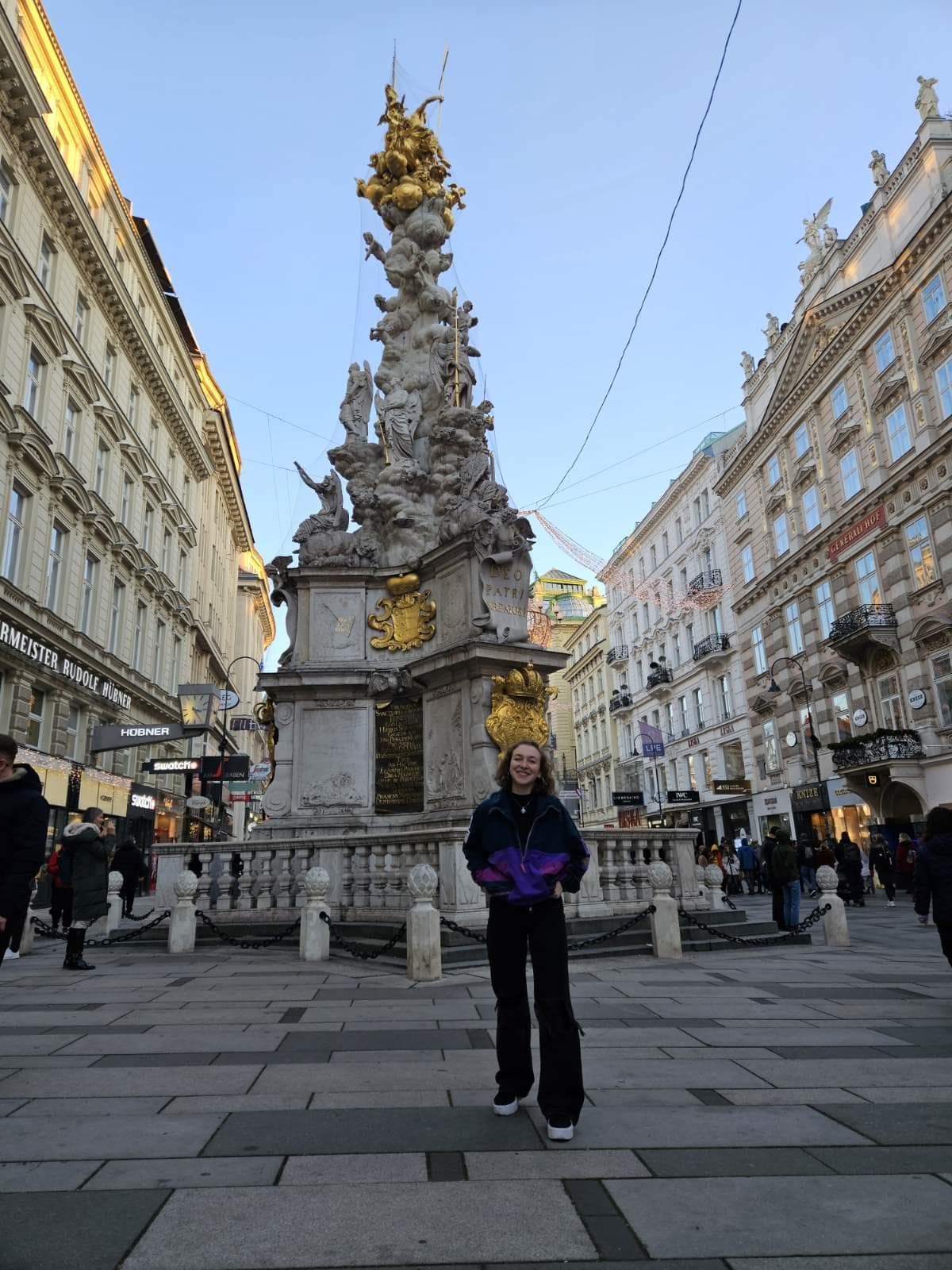
One of the most famous parts of Vienna: The “Graben” in the 1st district
I have never been to Vienna, but everyone who visited was amazed by it, and everyone who lived there wanted to stay. I love to travel and get out of my comfort zone, so the weeks after the call with the professor were packed with logistics and planning and looking for means and resources to move to a different country in just a few months. I found out about the ERASMUS+ Traineeship program and that Bremen University has an established connection with the Medical University of Vienna, where I was supposed to go to, and immediately applied. The process was fast and clear, and I received funding for an 8-month stay. There were some issues regarding the countersigning from MedUni Wien as they require an additional application to be sent to them before the beginning of the winter or summer term. Since I was not aware of this, I could only be officially enrolled at the university from the next winter term (August 2024). Nevertheless, I still planned to move and start as agreed, to use those first few months to get comfortable and learn my way around the lab and the city. The most tedious part was finding accommodation in a new place without even being able to see it in advance, but since I was supposed to arrive “out of season”, there were some rooms available in a few dorms, and I chose one closest to the lab. The standards of living in Vienna are amongst the highest in Europe, and accommodation can be very pricey. For a single room in a dorm, the rent is usually not lower than 500 Euros. Studio apartments range between 500 to 800 Euros, not including additional costs. Without some kind of funding, scholarship, or job, it is very difficult to live leisurely.
Fast forward to May 2025. The first day I arrived in the lab, I was greeted by Professor Sitte, who showed me around and introduced me to other lab members. During the next few days, I received training on the basic stuff, how to act in a lab, the do’s and don’ts, and I tried out the main type of experiment. I was also told to use my free time to explore and get to know the city, and because the first few months were not overloaded with work, that is exactly what I did. I was born in Bosnia and Herzegovina. When I was 6, my family moved to Libya. When I was 11, we moved back to Bosnia. At 14, I did a high-school exchange semester in Switzerland and at 16, my family moved to Germany, where I finished high school. For my Bachelor’s, I moved back to Bosnia and then left again in 2021 to start my Master’s in Bremen. My point is, I’ve lived in many places and different settings, but the first place where I felt like I wanted to stay and potentially build a life was Vienna. Before coming here, there was always either a lack of social life, fun activities, or an international setting where people relate to being new and wanting to put down roots by building long-term connections.
It didn’t take me long to feel comfortable; the city is amazing. There are always events happening in different areas and various parks and nature spots to go for a walk or have a picnic. As soon as the sun is out, everyone sits outside in cafes, drinking coffee, having brunch. Over the summer, there are many outdoor events and small festivals, with all different kinds of themes and music. I already knew some people living here, so I was also shown some nice and cheap spots, but even without acquaintances, there are online groups and forums where one can find practically anything they are looking for.
-
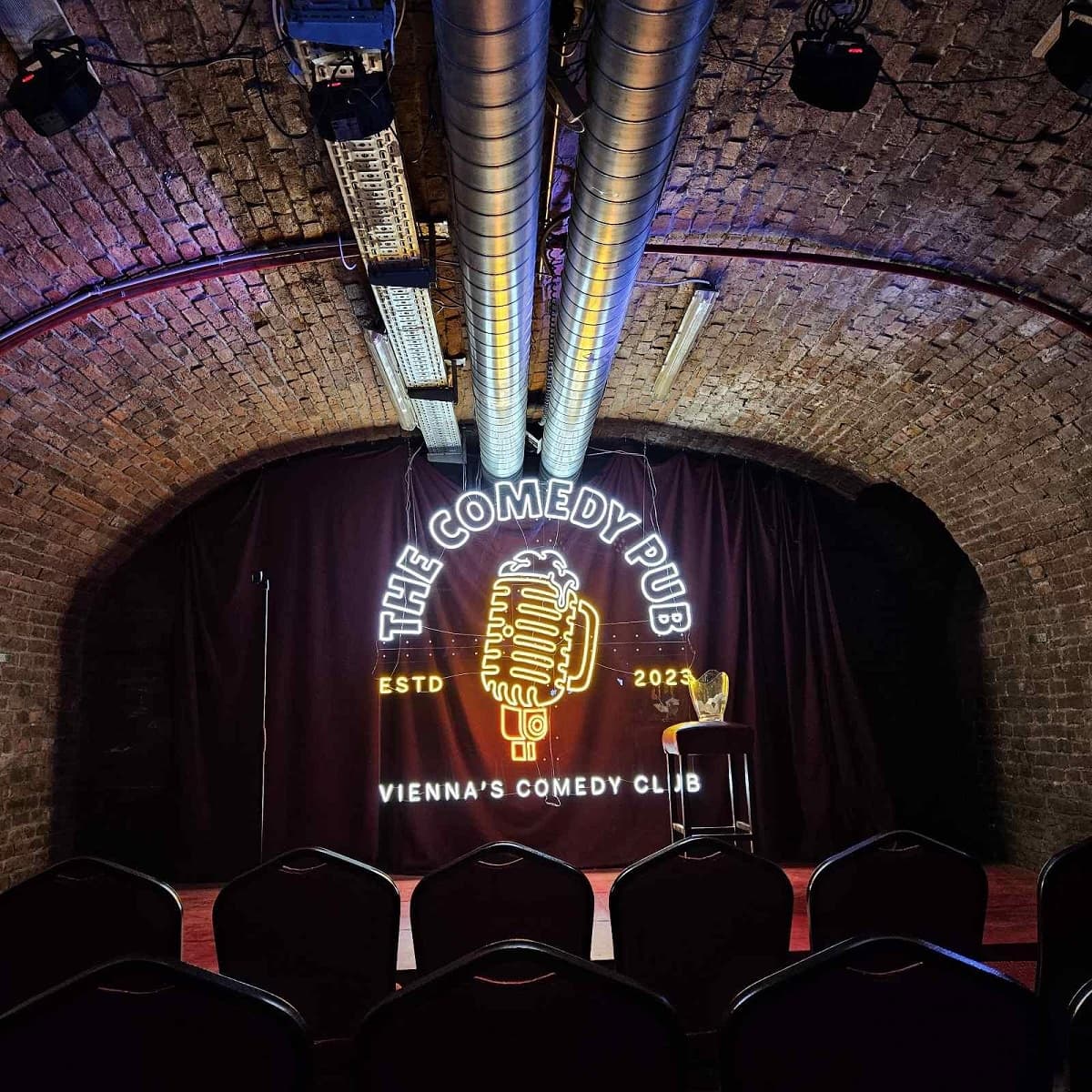
- A stand-up comedy event in English that I attended with some friends
-
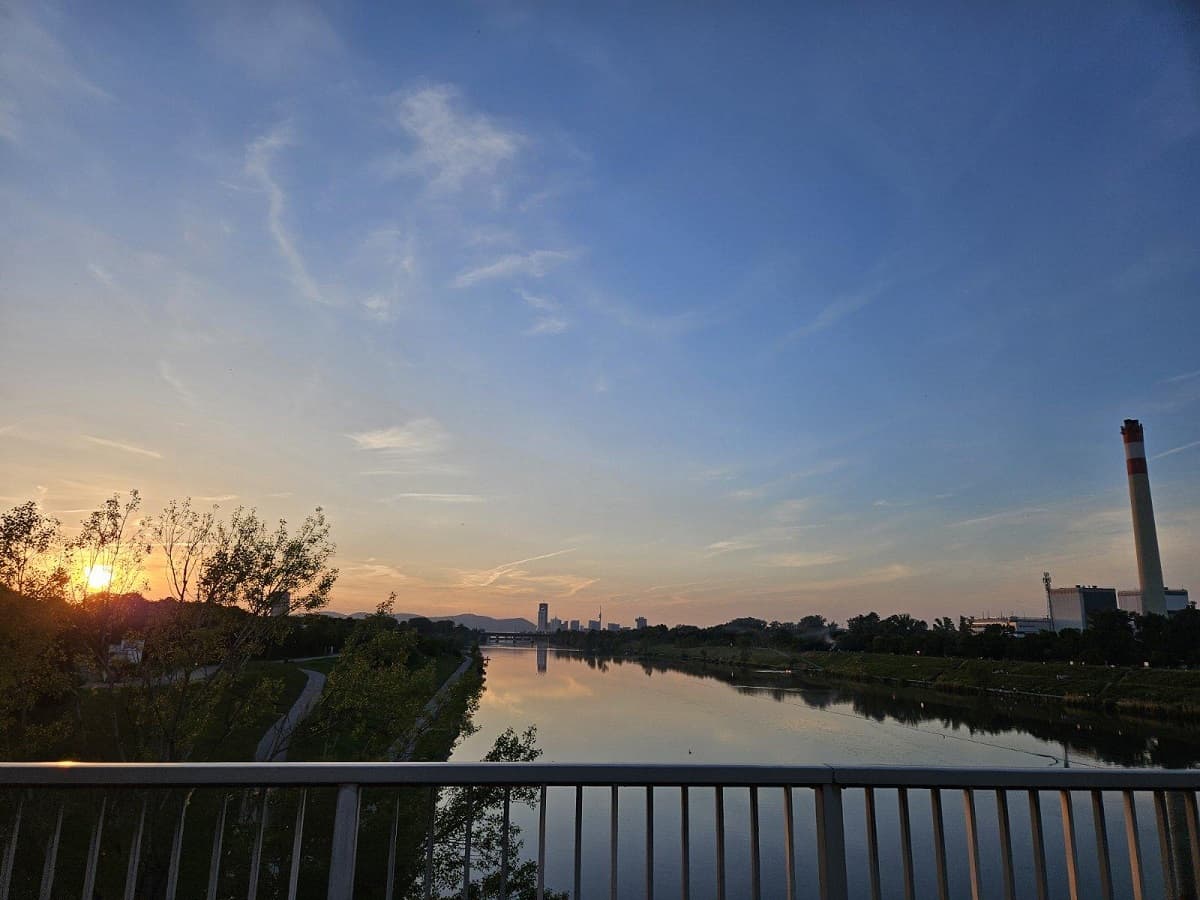
- The Danube River
Public transport is the best one I have encountered so far, everything is well-connected and usually without any major delays. As a student, I was eligible for a semester ticket, which costs around 75 Euros, can be used to commute in the core zone of Vienna, and is valid for 5 months. To orientate myself around the city, I would also go on long walks to a random district and then try and find my way back home with as little online navigation as possible. This helped a lot, and soon, I was able to navigate the complex web of metros, trams, and buses and reach all the important stops on my own.
Vienna is also one of the most international cities in Europe. Although I speak German, I hardly ever use it (except in supermarkets and restaurants) because everyone speaks English. Walking through the streets you can hear many different languages, the most common ones being Turkish, Serbian, Hungarian and Arabic. This is also one of the reasons why it feels so comfortable. You don’t feel like such a stranger when there are people from all over the world all around you. Vienna’s food scene also reflects its international diversity. While traditional Wiener Schnitzel and Sachertorte remain iconic, the city offers a wide range of authentic international cuisines, from Middle Eastern and Asian street food to Italian, French, and Balkan specialties. Naschmarkt, the city’s most famous market, is a perfect example of this diversity, with food stalls offering flavors from all over the world.
I discovered that every district in Vienna (there are 23) is a hub of its own. All of them have some kind of center with their own set of attributes. As soon as you think you’ve seen it all, another street appears, another corner opens up, another church emerges. One thing that left me in awe was how clean it was. There are trash cans all around, littering is a very rare sight to see and people take care of their surroundings. Even in the busiest areas, or after Friday and Saturday night, the streets are clean by the morning.
As I mentioned, the living standards are high. Besides the expensive accommodation, dining outside, going out, visiting museums and even buying groceries can drain your wallet. I thought, coming from Germany, that it wouldn’t make such a difference, but I was quickly proven wrong. For groceries, my go-to store is Lidl because it offers a wide range of products at reasonable prices. For more “fancy” things and an international assortment, there are Billa and Spar, which are both good but more expensive. A ticket for a museum is usually around 20 Euros, with most of them offering discounts of 2-3 Euros for students. One museum I would definitely recommend is “Haus des Meeres”. It is an aquarium situated on 11 floors with amazing exhibitions and sea life. For going out, there are infinite options.
The city is vibrant throughout the year, with a fantastic nightlife and a wide selection of bars and clubs for those who like to stay up late. Since I am a fan of techno music, my go-to clubs are “Grelle Forelle” and “das Werk”, both located in the 20th district. One of the first music events I attended was in the Museum Quarter. It was an outdoor event, free of charge, in the park between the Museum of Natural History and the Art History Museum. Over the summer, they regularly organize parties there starting at around 3 pm for people to gather and dance.
Another thing I love about Vienna is the architecture. The styles range from Baroque, Gothic, and Renaissance to Modernism and Historicism. The churches, cathedrals, and palaces are breathtaking. The most famous Gothic church is St. Stephen's Cathedral in the heart of the 1st district. The square around it is usually packed with tourists and there is also a Christmas market during winter. I have passed through many times, but because the area is always so crowded, it was difficult to fully enjoy the sight. The Schönbrunn palace and Karlskirche are some examples of Baroque architecture and also tourist hotspots, and for a more modern kick, there is the Hundertwasserhaus in the 3rd district. The list goes on and on, but my personal favorite is Votiv Kirche, a beautiful massive white cathedral, located in the 9th district. It has a beautiful park with magnolias in front of it, full of people on picnic blankets as soon as the weather is warmer.
-
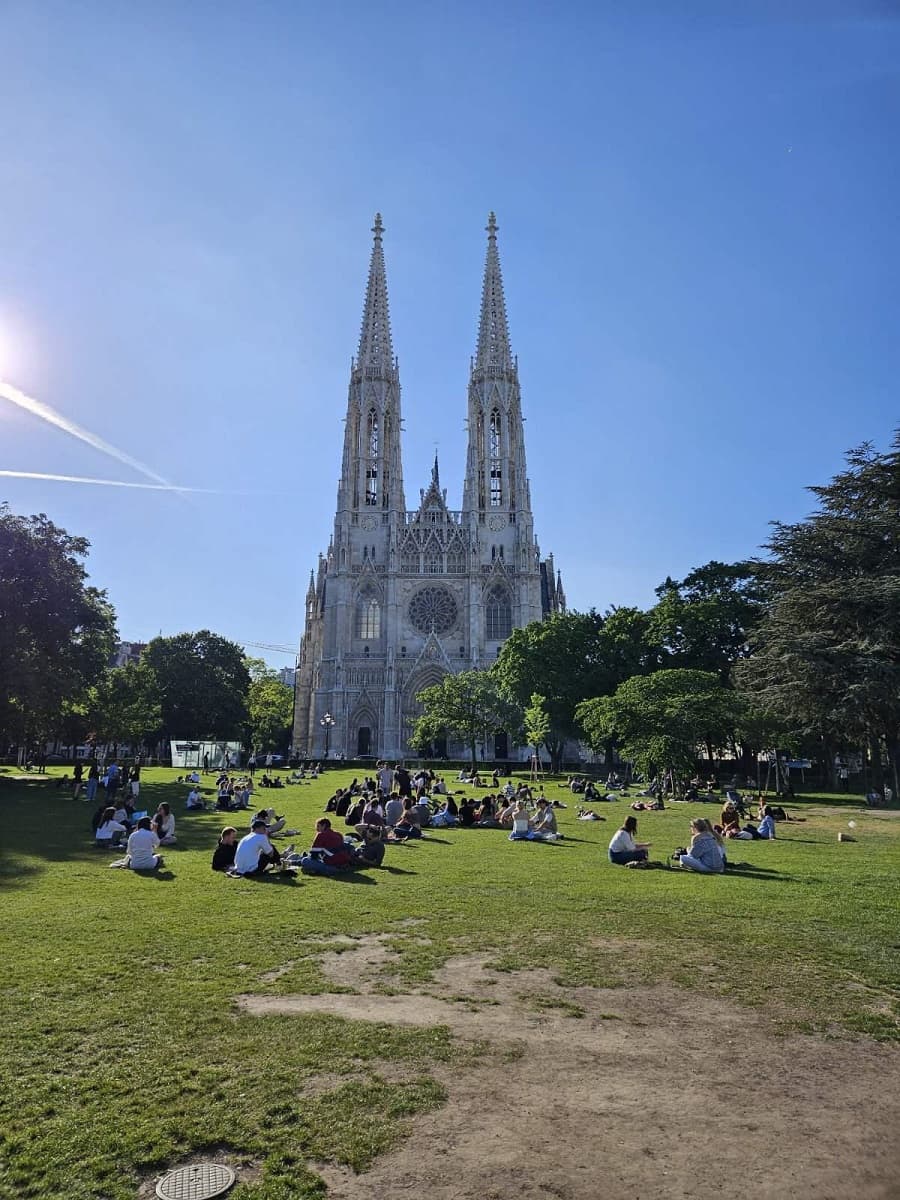
- The Votiv Church
-
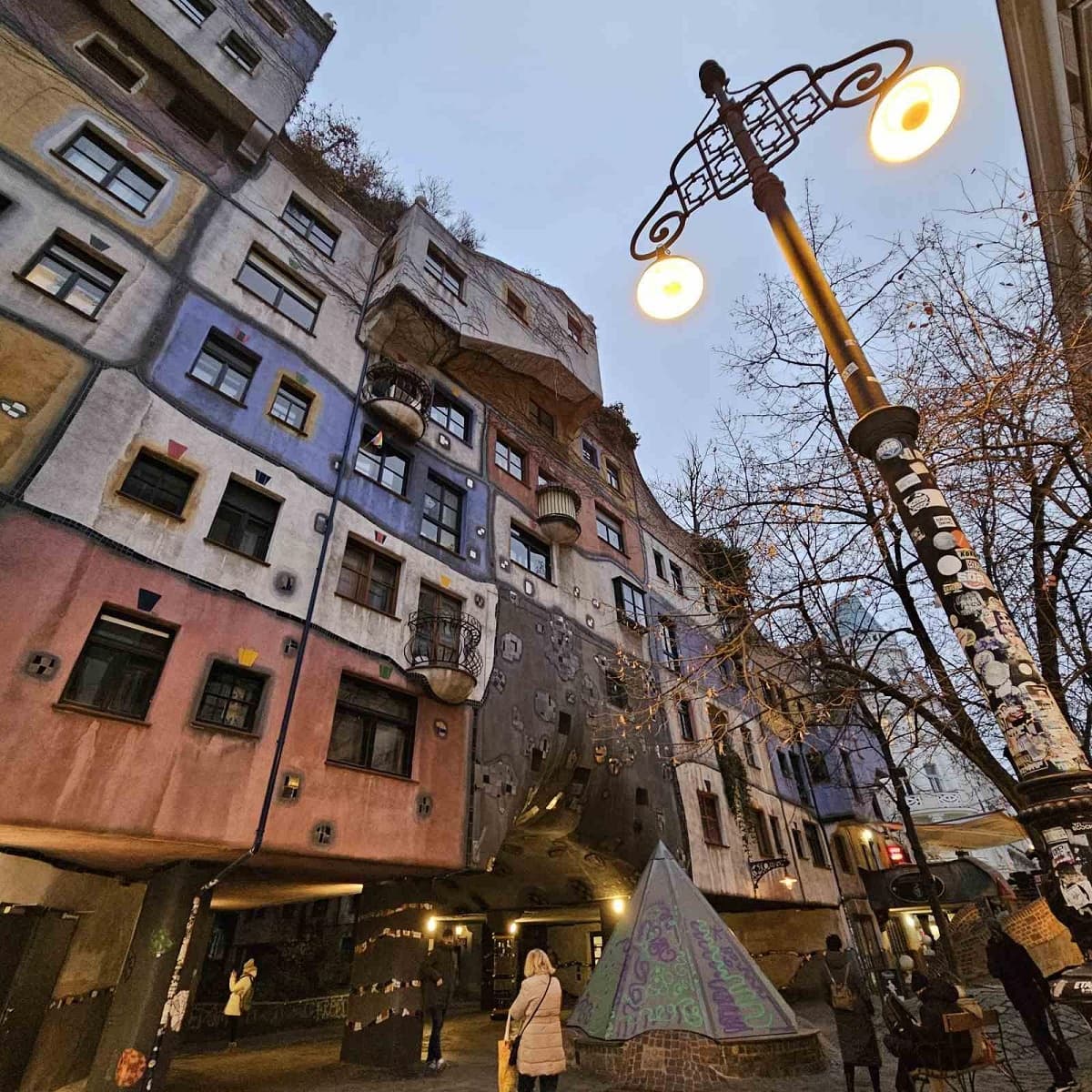
- Hundertwasserhaus
When you come to a new city, the first things you look for are its most famous attractions. When you go through all of the ones you find listed on some blog or forum, you start craving things that will make you feel more at home. As months go by, you find more and more local secrets and get to know the places that are far from the tourist eye. In Vienna, I found that the entire city is like a monument. Not only is it packed with plenty of architectural masterpieces and hidden gems, but when one walks through the streets, there is not one building that looks plain or boring. All the facades, even for the residential units, are either colored in warm pastels or decorated with statues and pillars. Even with a combination of styles, everything still blends in, and it feels like every corner was carefully designed to fit in with the next. There are a few places that I would go to frequently, and I would also take my friends there when they visit to give them a more local experience. The first one is the Danube Canal, a former arm of the Danube river, which is now regulated as a water channel. It is dynamic throughout the year, with the walls completely colored in art and graffiti and the bridges decorated with lights. During the day, it is a great location for a walk, a run, or a bike ride; in the evening, it is buzzing with young people out for drinks and music, as it also has a selection of bars and cafes.
-
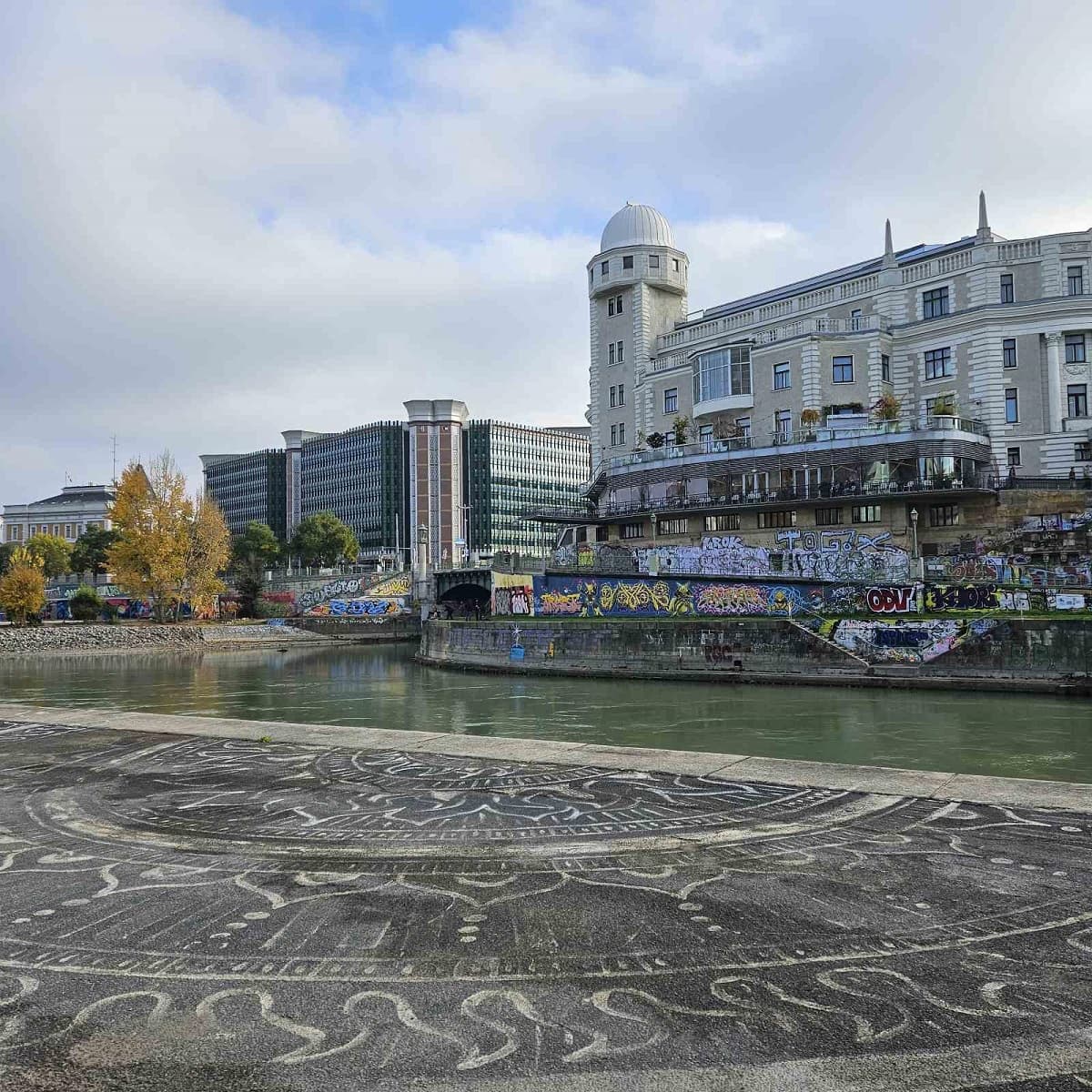
- The Danube canal
-
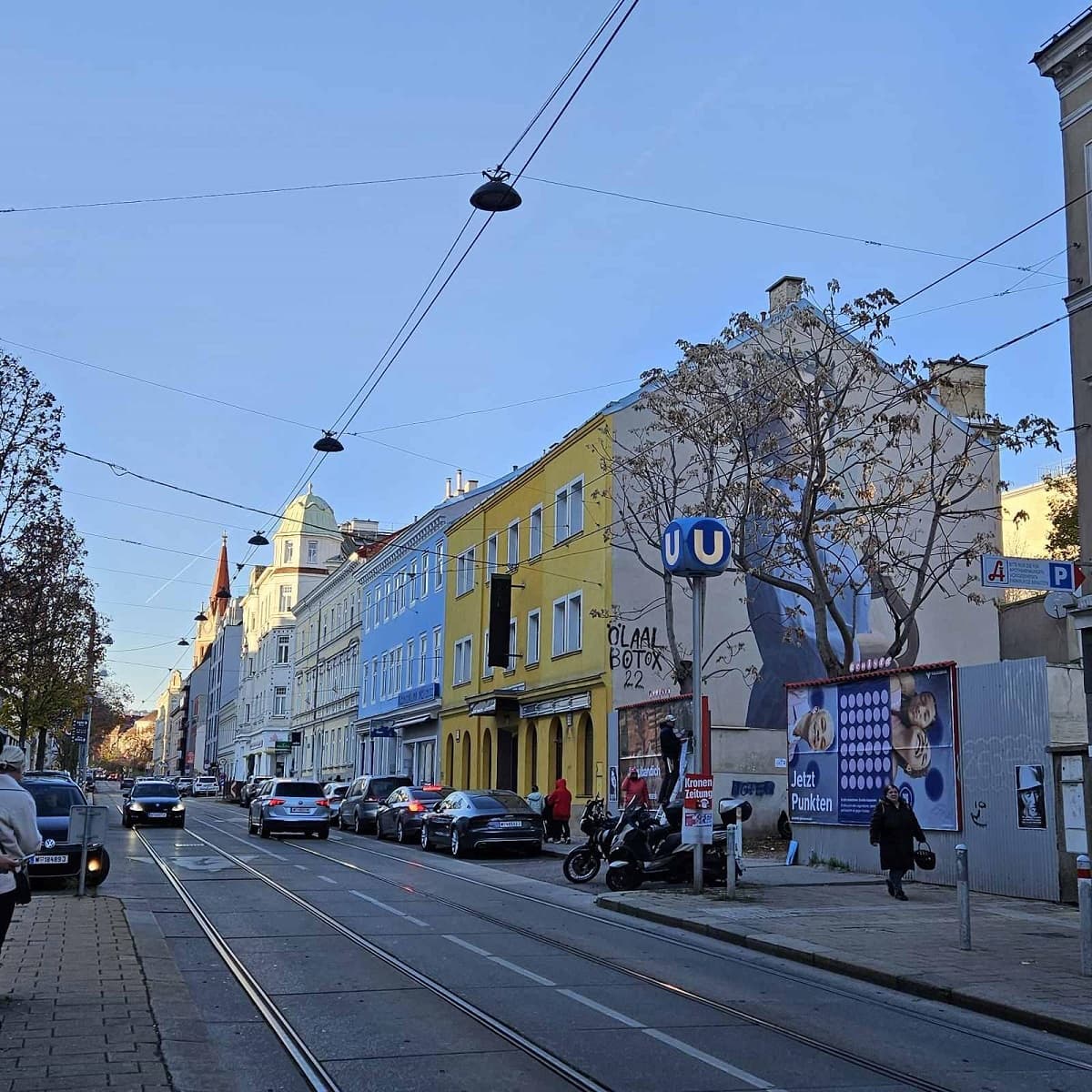
- A random street somewhere in the 14th district, just to show that even the outskirts are colorful
The second location is the 7th district, known for its energetic atmosphere. Its main shopping street, Mariahilfer Straße, offers practically any store one could need, but the real charm lies in its artsy, retro, and vintage character. The smaller streets branching off the main road are filled with thrift stores, alternative cafés, and cozy bars, each with its unique style. Whether you're hunting for rare vinyl records, sipping coffee in a hidden courtyard, or admiring colorful street art, Neubau has an unmistakable creative energy that sets it apart from the rest of Vienna.
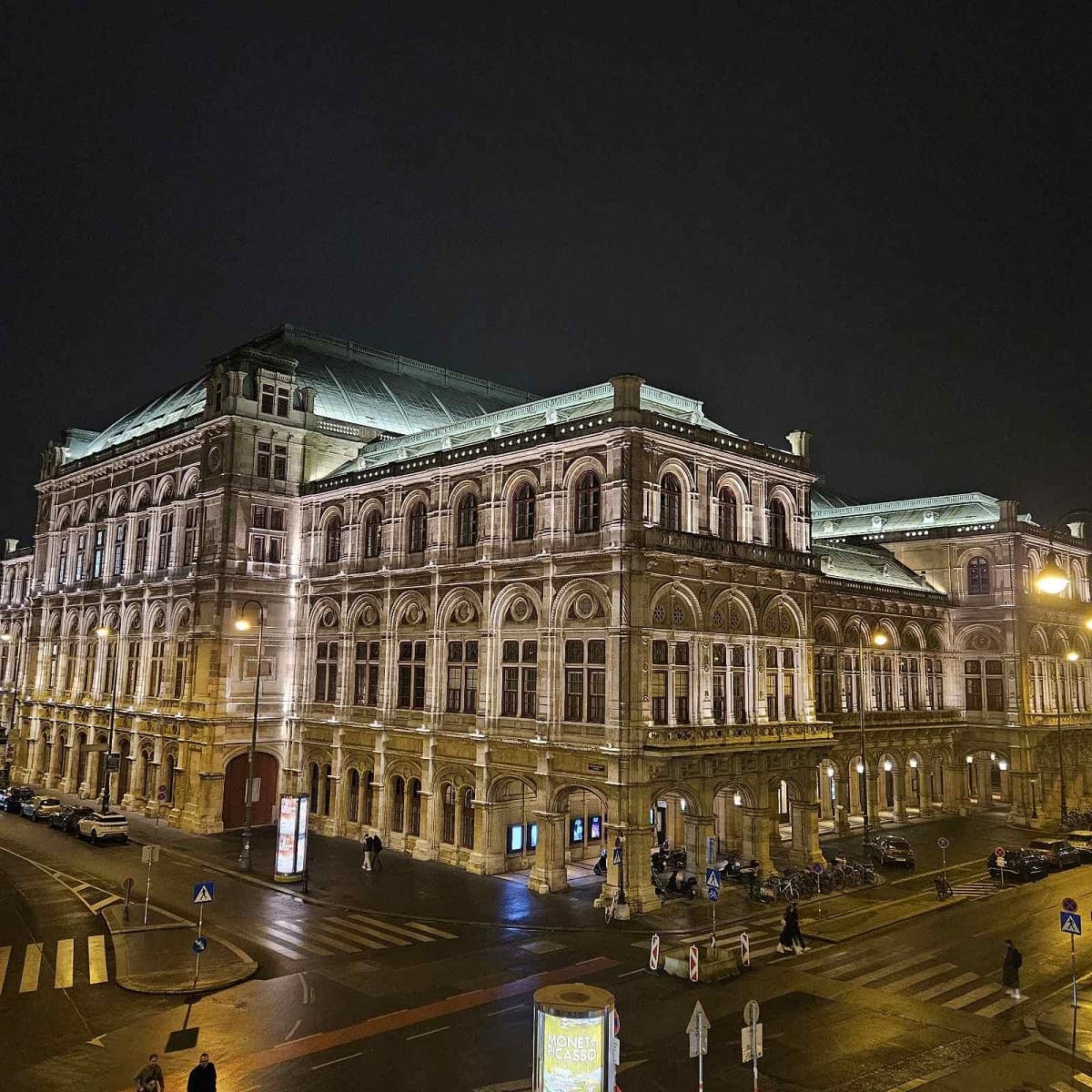
Another example of the magnificent architecture, the State Opera house
A few months after I arrived, the Erasmus community at MedUni Wien organized a welcome event for all the incoming medical students. Although I am not a student of medicine and my Erasmus program is different than the ones for medical students, I was invited to attend. Such occasions are always a good opportunity to meet new people, and after the introductory talk, we had time to socialize. I accidentally started talking to one of the medical students, and we arranged to meet up for coffee. This led to us becoming good friends and although he now finished his exchange semester and returned home, we are still in regular contact. Even though I did not attend any other events hosted by Erasmus (and I am not even sure there were any), I was still really happy to meet someone who shares very similar interests and hobbies with me.
I was also lucky that I did not have to rely on external events for new contacts, but rather that most of the people that I hang out with now are the ones I met in my lab. There are about 20 people I work with: Master’s students, Ph.D.’s, technicians, and postdocs; all brilliant and determined scientists. These people welcomed me with open arms, showed me patience and kindness, and helped me with anything I needed. At first, I thought, “This is too good to be true!”, but over time I saw that they really care about each other and constantly make efforts to get to know each other better. Every two weeks, we have lab meetings to discuss the issues and progress related to lab work, but at least once a month, we have some activity that has nothing to do with work and is organized purely so we can relax and spend time together. We went bowling, visited some Christmas markets, had a Christmas party in the institute, and also celebrated every success of the members, such as a new paper publication, a Master’s or Ph.D. defense. The building where the lab is located is very old, so naturally, things malfunction. This can cause quite some stress as it means that there will be delays in the experiments or that they have to be repeated. What I found is that even in such cases, my lab mates try to make the best out of it. We communicate, share equipment, find alternative solutions, and help each other out. When you’re having a bad day, you can always talk about it; when you’re having a good day, you can joke about it.
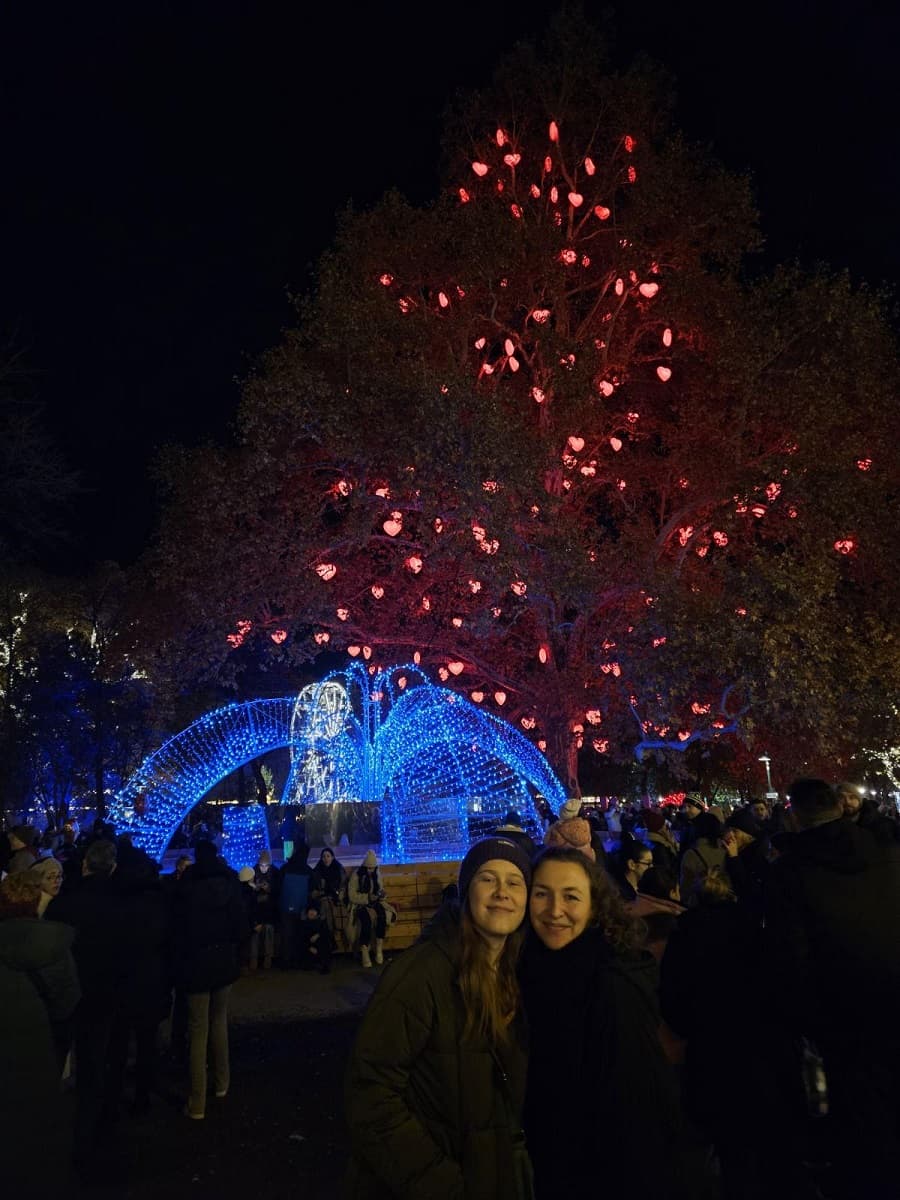
Visiting Vienna’s Christmas markets
I realized as I was writing this, that I mostly had positive things to say and that every part I described was very enthusiastic, almost like I am promoting Vienna to those who havent been there. That's because this decision, to move to Vienna and complete my thesis here, has given me a new direction in life. I had no idea what was waiting for me before I moved, but I surely didn't think that I would want to make it permanent. As I said, I’ve been to many places, but something was always missing from the picture. Right now, I am in the last phase of my Master’s degree. What’s left to do is write the thesis, submit and defend it. The project I was mostly working on will also be my thesis topic, and I got involved in another project in the meantime so I could expand my skills even more. In the beginning, I felt like an imposter because my educational background is different, and I immediately noticed I was surrounded by experts. As time went by, I felt more and more at ease as I started to notice how much I was actually learning, both from the people around me and by myself. In October, during one of my meetings with my main supervisor, I was offered a Ph.D. position in this lab, which meant that I would be staying in Vienna for at least 3 more years and that my work is being recognized and valued. It would be an understatement to say that I was excited. It took me a few days to process it, but it felt like the right decision from the moment it was proposed.
In this report, I focused mainly on the good things. Of course, there were difficulties, there were phases where I felt alone, there were days where I was wondering where my money went, but because I have moved around so much, I tend to put these aside as mundane, everyday obstacles that one has to experience wherever they go. I can really say that my traineeship flew by without any major issues or complications, and as you have probably gathered by now, I loved almost every part of living in Vienna. So far, it has been the most fulfilling experience of my life. I have met wonderful people, whom I want to keep seeing and making memories with, and had so many different experiences because there is always something to do here and always something new to discover. I am not a huge fan of destiny or “meant-to-be” situations, but finding a place for myself here, something I thought was almost impossible a year ago, goes to show that life has a funny way of working out, even when you least expect it.
Neueste Kommentare