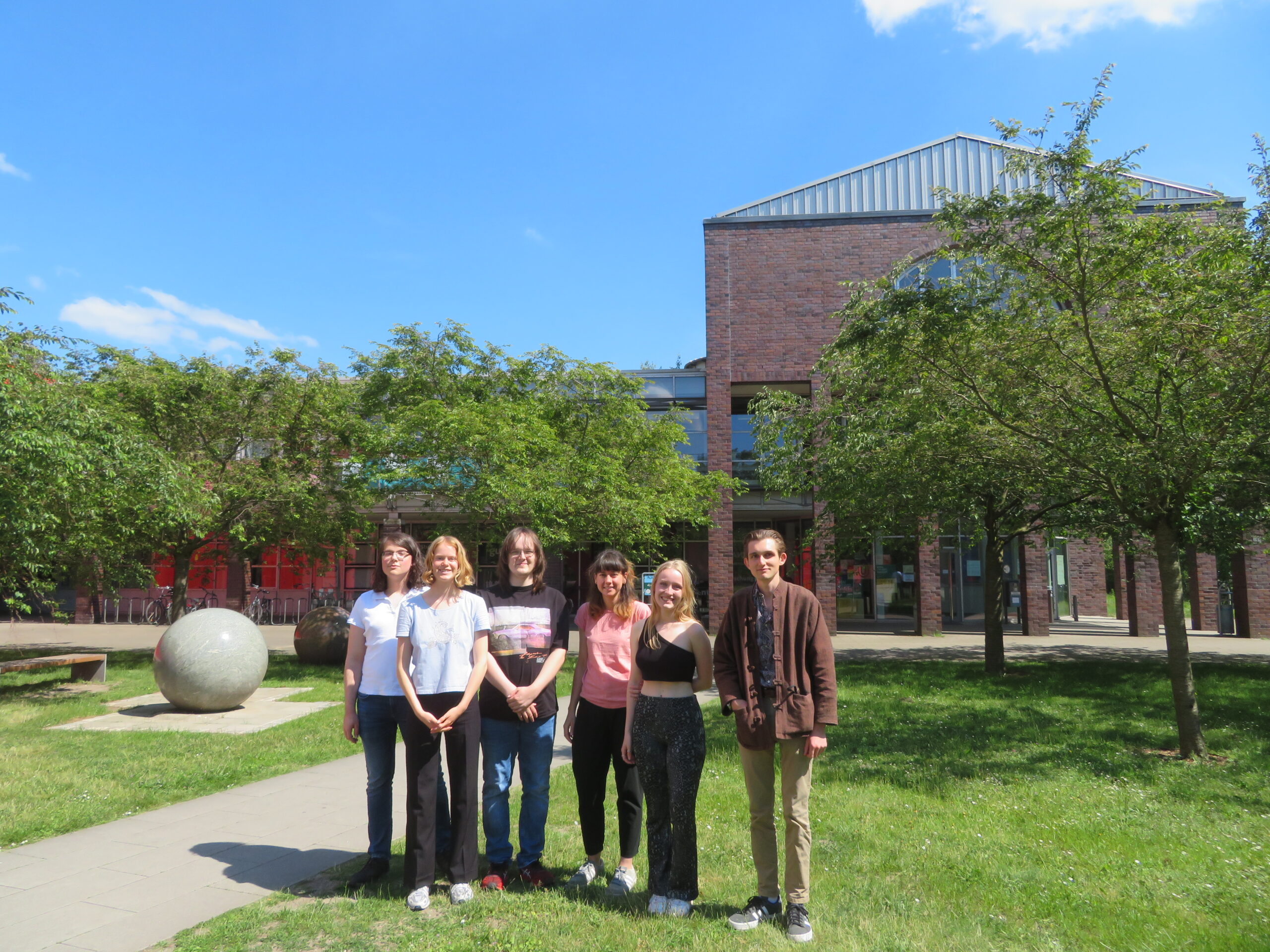

Umweltaktivismus – Ein Erfahrungsbericht
Gewaltfreier ziviler Ungehorsam im Angesicht einer der schwerwiegendsten Krisen unserer Zeit.
Dostoevskij zum 200. Geburtstag oder Auch Schnorren will gelernt sein
Im August 1865 schrieb Fjodor Dostojewski aus Wiesbaden an seinen russischen Schriftstellerkollegen Iwan Turgenjew in Baden-Baden:Ich fühle mich...
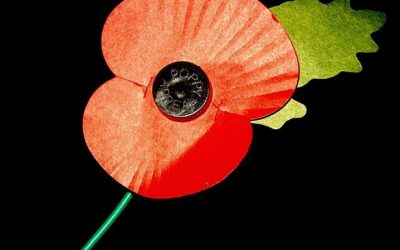
The Remembrance Day Poppy – A Transcontinental Story
[bilingual post – German version see below] It's early November, and everyone who follows events in the UK has noticed: People are wearing poppies...
Zu Besuch bei den norditalienischen „Querdenkern“ – ein Reisebericht
Nachdem ich die Statistik und Methoden-Klausur Ende Juni hinter mich gebracht hatte, konnte der Sommer richtig losgehen. Keinerlei Hausarbeiten oder...
ESC – Meine Top 10 (Teil 2 von 3: Honorable Mentions)
Eurovision Song Contest – Meine Top 10 (Teil 2): Honorable Mentions Wie bereits im ersten Teil dieser Reihe erwähnt, gibt es so viele gute Lieder,...
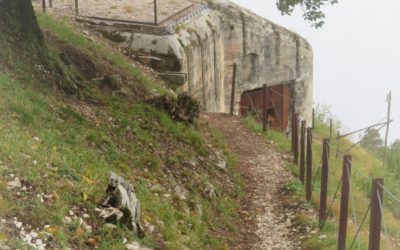
Teil 1/4 – Norditaliens Gebirgsfestungen des „Grande Guerra“: Mehr als ein nationaler Gedächtnisort?
Das „lange 19. Jahrhundert“ hatte mit seinen Nationalstaatsbildungen im südlichen Alpenraum eine neue politisch-kulturelle Konfliktdimension...
Unser Newsletter!
Erhalte einmal monatlich unsere neuesten Artikel direkt in Dein E-Mail-Postfach.