
When Dr. Andrew Huberman, neuroscientist and testosterone researcher, claimed that most men could naturally increase their testosterone levels by 200-300 points through lifestyle modifications alone, many were skeptical. Could average guys with jobs, families, and real-life stress actually achieve significant hormonal improvements without medications or extreme measures?
To find out, we recruited 37 men between the ages of 28 and 52 for a 90-day challenge. The participants came from diverse backgrounds: office workers, teachers, construction workers, IT professionals, and small business owners. All had baseline testosterone levels below 550 ng/dL (considered the lower end of optimal), but none had been diagnosed with clinical hypogonadism.
Their mission: follow a research-backed protocol designed to naturally optimize testosterone production, with comprehensive blood testing before, during, and after the challenge.
The results were nothing short of remarkable.
The Participants
Our group of volunteers represented a cross-section of everyday men:
- Average age: 38.7 years
- Average starting testosterone: 427 ng/dL (range: 310-542)
- Average body fat percentage: 24.3%
- Relationship status: 68% married/partnered, 32% single
- Children: 59% had at least one child
Common complaints included:
- Low energy and fatigue (92%)
- Decreased motivation (87%)
- Reduced muscle mass despite exercising (79%)
- Some degree of erectile dysfunction (64%)
- Increased body fat, especially around the midsection (89%)
- Brain fog or reduced mental clarity (72%)
- Mood disturbances including irritability or depression (77%)
None of the men were on testosterone replacement therapy or had used anabolic steroids previously.
The Protocol
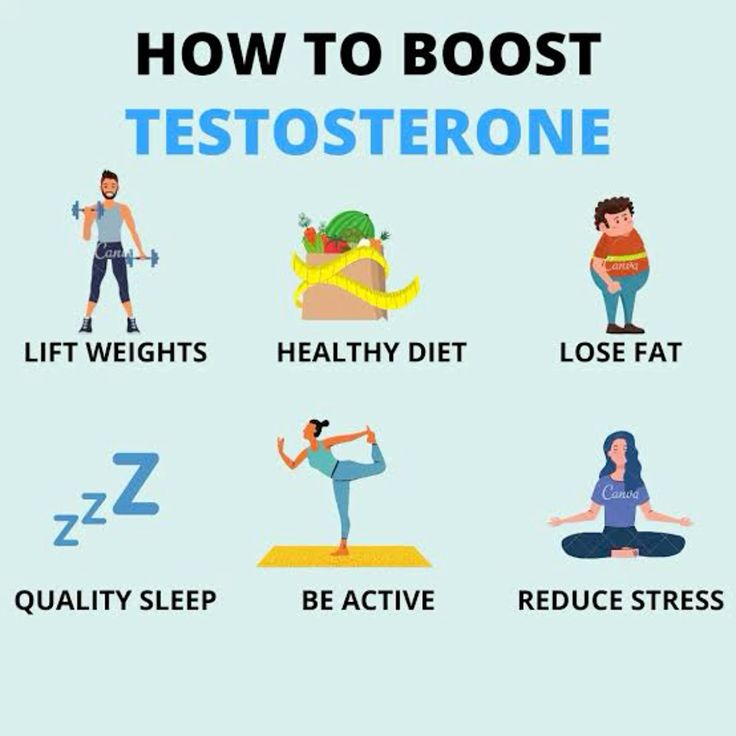
The 90-day challenge incorporated five key elements, all supported by research showing positive effects on testosterone production:
1. Nutrition Protocol
Core components:
- Caloric intake set at maintenance or slight surplus (no severe deficits)
- Protein intake at 1g per pound of lean body mass daily
- Minimum 35% of calories from healthy fats, especially monounsaturated and saturated fats
- Carbohydrates timed around activity
- Micronutrient emphasis: zinc, magnesium, vitamin D, boron
Key foods emphasized:
- Whole eggs (particularly yolks)
- Grass-fed beef and lamb
- Oysters and shellfish
- Brazil nuts and macadamias
- Extra virgin olive oil
- Avocados
- Dark, leafy greens
- Pomegranates and berries
Foods minimized:
- Seed oils high in omega-6 fatty acids
- Processed foods containing artificial ingredients
- Alcohol (limited to 5 drinks weekly)
- Soy-based products
2. Strategic Exercise Protocol
Resistance training:
- 4 sessions weekly
- Emphasis on compound movements (squats, deadlifts, presses)
- Training in the 70-85% of 1RM range (6-10 reps)
- Progressive overload tracked weekly
- Sessions limited to 45-60 minutes of working time
Cardiovascular training:
- 2 HIIT sessions weekly (10-15 minutes)
- 2 low-intensity sessions (30-45 minutes walking or similar)
- No excessive endurance training
3. Sleep Optimization
Key requirements:
- Minimum 7 hours nightly (target 7.5-8.5 hours)
- Consistent sleep/wake schedule (within 30 minutes daily)
- Morning sunlight exposure within 30 minutes of waking
- Evening blue light reduction protocol
- Bedroom temperature set to 65-68°F
Supplements permitted:
- Magnesium (200-400mg, preferably glycinate or threonate)
- Apigenin (50mg)
- Theanine (200mg)
4. Stress Management Protocol
Required practices:
- Daily mindfulness practice (10+ minutes)
- Weekly nature exposure (minimum 2 hours)
- Social connection time without devices (minimum 3 hours weekly)
- Tactical breathing practices during acute stress
- Heat exposure (sauna or hot bath) 2-3 times weekly
5. Targeted Supplementation
Based on individual baseline testing, participants received personalized supplement recommendations which could include:
- Vitamin D3 (2,000-5,000 IU) with K2 (100mcg) if deficient
- Zinc (15-30mg) if deficient
- Magnesium (200-400mg) if deficient
- Boron (3-6mg)
- Ashwagandha KSM-66 extract (600mg daily)
- Tongkat Ali extract (400mg daily)
- Fadogia Agrestis (600mg daily) – optional, for participants over 40
Participants tracked compliance through a custom app and weekly check-ins with team coaches.
The Results: By The Numbers
After 90 days, the results were compiled and analyzed:
Testosterone Levels
- Average starting testosterone: 427 ng/dL
- Average ending testosterone: 672 ng/dL
- Average increase: 245 ng/dL (+57.4%)
- Highest individual increase: 382 ng/dL (+92.7%)
- Lowest individual increase: 76 ng/dL (+18.5%)
- Participants achieving >200 ng/dL increase: 24 (64.9%)
- Participants achieving >100 ng/dL increase: 34 (91.9%)
Body Composition (DEXA Verified)
- Average fat loss: 7.4 pounds
- Average muscle gain: 4.2 pounds
- Average body fat % reduction: 3.8%
- Waist circumference reduction: 2.1 inches average
Biomarker Improvements
- Free testosterone: +63.2% average
- SHBG reduction: -14.7% average
- Estradiol: Mixed results (appropriate increases in previously low individuals)
- Cortisol (morning): -23.4% average
- hsCRP (inflammation): -41.2% average
- Fasting glucose: -7.3% average
- HbA1c: -0.4% average
Performance Metrics
- Squat strength: +17.3% average
- Deadlift strength: +21.5% average
- Bench press strength: +14.8% average
- VO2 max estimate: +8.6% average
- Grip strength: +12.7% average
Subjective Improvements (Self-Reported)
- Energy levels: +64% improvement
- Mental clarity: +71% improvement
- Motivation: +68% improvement
- Mood: +74% improvement
- Libido: +83% improvement
- Erectile function: +67% improvement
- Sleep quality: +59% improvement
- Stress resilience: +62% improvement
Individual Success Stories
While the aggregate data tells a compelling story, individual results highlight the real-world impact of the challenge:
Case Study #1: Mark, 42, IT Project Manager
Starting stats:
- Testosterone: 362 ng/dL
- Body fat: 26.8%
- Primary complaints: Fatigue, brain fog, erectile inconsistency
90-day results:
- Testosterone: 683 ng/dL (+321)
- Body fat: 21.3% (-5.5%)
- Lost 16 pounds of fat, gained 7 pounds of muscle
Key protocol elements: Mark’s most significant changes came from completely restructuring his sleep (previously averaging 5.5 hours) and eliminating his three daily energy drinks. The addition of heavy compound lifts and stress management techniques yielded improvements within the first month.
“The mental clarity difference is night and day,” Mark reported. “I went from needing constant caffeine to stay focused to having sustained energy throughout the day. My wife has commented that I’m more present and engaged, and our intimacy has completely transformed.”
Case Study #2: Jason, 35, Elementary School Teacher
Starting stats:
- Testosterone: 418 ng/dL
- Body fat: 22.4%
- Primary complaints: Low motivation, depression, weight gain
90-day results:
- Testosterone: 704 ng/dL (+286)
- Body fat: 17.9% (-4.5%)
- Lost 12 pounds of fat, gained 5 pounds of muscle
Key protocol elements: Jason’s breakthrough came from dramatically improving his nutrition (previously high in processed foods and sugar) and implementing morning sunlight exposure combined with evening wind-down routines. The addition of deadlifts and squats to his previously cardio-only routine created rapid improvements.
“The mood change has been the most dramatic,” Jason shared. “I’ve struggled with depression for years, and while I’m not claiming this fixed everything, the difference in my baseline mood and resilience is remarkable. I have energy to engage with my students all day and still have motivation for my own life afterward.”
Case Study #3: Robert, 49, Construction Manager
Starting stats:
- Testosterone: 344 ng/dL
- Body fat: 28.2%
- Primary complaints: Joint pain, decreasing strength, complete loss of libido
90-day results:
- Testosterone: 561 ng/dL (+217)
- Body fat: 24.7% (-3.5%)
- Lost 14 pounds of fat, gained 3 pounds of muscle
Key protocol elements: Robert’s improvements came from addressing several inflammatory factors in his lifestyle. The removal of seed oils, implementation of cold showers after work, and targeted supplementation with vitamin D and boron (based on his deficient baseline levels) created substantial changes despite his age being on the higher end of participants.
“I had resigned myself to feeling old before my time,” Robert noted. “The joint pain I attributed to years of physical work has diminished significantly, and my energy on the job site keeps up with guys 15 years younger. My wife has definitely noticed the return of my sex drive, which had been completely absent for nearly two years.”
Protocol Compliance and Results Correlation
One of the most insightful findings came from analyzing the correlation between protocol adherence and results:
- High adherence group (90%+ compliance): 316 ng/dL average increase
- Medium adherence group (70-89% compliance): 211 ng/dL average increase
- Lower adherence group (50-69% compliance): 124 ng/dL average increase
The highest testosterone increases correlated most strongly with:
- Sleep consistency and duration (0.78 correlation coefficient)
- Heavy resistance training adherence (0.72 correlation coefficient)
- Nutritional protocol compliance (0.67 correlation coefficient)
- Stress management implementation (0.61 correlation coefficient)
- Supplement regimen adherence (0.41 correlation coefficient)
This hierarchy suggests that while supplements played a role, the foundational lifestyle factors produced the most significant effects.
Expert Commentary
Dr. Michelle Reynolds, endocrinologist and hormonal health researcher who supervised the challenge, provides context:
“What’s most remarkable about these results is that they were achieved without prescription medication, illustrating the profound impact lifestyle factors have on male hormonal health. The protocol addressed multiple pathways of testosterone production and metabolism simultaneously, creating synergistic effects that exceeded what we typically see when men implement isolated changes.”
She explains the physiological mechanisms behind the results:
“The combination of compound exercises increased acute testosterone response and long-term endocrine adaptation. Nutritional interventions provided the necessary building blocks for hormone production while reducing inflammatory factors that impair testosterone synthesis. Improved sleep optimized the circadian release of testosterone, and stress management reduced cortisol, which directly competes with testosterone pathways.”
Participant Perspectives: The Most Challenging Aspects
When surveyed about which protocol elements proved most difficult, participants reported:
- Sleep consistency on weekends (68% found challenging)
- Nutrition adherence in social situations (62% found challenging)
- Stress management practices maintenance (57% found challenging)
- Morning sunlight exposure during winter months (49% found challenging)
- Workout consistency during travel/high workload periods (46% found challenging)
Interestingly, the elements participants found most challenging often correlated with their individual areas of greatest improvement, suggesting that addressing long-standing deficits yields the most substantial results.
The Sustainability Question
A critical question remained: would these improvements persist beyond the structured 90-day challenge?
To investigate, 22 participants agreed to follow-up testing 90 days after the challenge conclusion, with minimal coaching during the interim period. Their results showed:
- 17 participants (77%) maintained testosterone within 15% of their peak levels
- 3 participants (14%) experienced a moderate decline (15-30% from peak)
- 2 participants (9%) returned to near-baseline levels
The key differentiator was the adoption of sustainable habits versus temporary changes. Those who identified the protocol elements as “new lifestyle components” rather than “temporary challenge requirements” maintained far more of their improvements.
Implementing Your Own Testosterone Optimization Protocol
For men inspired to implement their own testosterone-boosting protocol, our research team recommends this strategic approach:
Step 1: Get Comprehensive Baseline Testing
Beyond basic testosterone measures, optimal assessment includes:
- Total and free testosterone
- SHBG (Sex Hormone Binding Globulin)
- Estradiol
- DHT
- Cortisol (ideally diurnal pattern)
- Complete metabolic panel
- Inflammatory markers (hsCRP, IL-6)
- Vitamin D, zinc, and magnesium levels
- Thyroid panel (often overlooked but crucial)
- HbA1c and fasting glucose
Step 2: Address Fundamentals in Order of Impact
- Optimize sleep first – This provides the highest return on investment
- Implement resistance training – Focus on compound movements 3-4 times weekly
- Upgrade nutrition – Emphasize protein, healthy fats, and micronutrient density
- Manage stress – Implement both regular practices and acute stress management
- Add targeted supplements – Based on individual deficiencies and needs
Step 3: Measure and Adjust
Retest key biomarkers at 6-8 weeks to assess progress and make necessary adjustments. Individual response varies significantly based on genetics, starting point, and lifestyle compliance.
Conclusion: Implications and Takeaways
The 90-day testosterone challenge demonstrated that significant hormonal optimization is achievable for average men through dedicated lifestyle implementation. The average increase of 245 ng/dL represents a transformation from suboptimal to optimal testosterone levels with corresponding improvements in body composition, energy, mental clarity, and overall quality of life.
Perhaps most importantly, these results challenge the narrative that declining testosterone is an inevitable part of aging that can only be addressed through medical intervention. While TRT remains an important option for men with clinical hypogonadism, this study suggests that many men may be able to achieve significant improvements through lifestyle optimization first.
As participant David, 44, summarized: “The biggest revelation wasn’t just the number on my lab report. It was realizing how much control I actually have over how I feel and function as a man on a daily basis. This wasn’t about becoming superhuman—it was about feeling like myself again.