
Bold or Shy, How Animal Personalities Shape Survival in Nature

Have you ever noticed how people behave differently in new situations? Some individuals love exploring new places, meeting strangers, and taking risks, while others prefer to stay cautious and avoid uncertainty. These differences are often described as personality traits. Surprisingly, similar patterns can also be observed in the animal world. In ecology, these consistent characteristics that influence how organisms behave, grow, and survive are known as traits . Traits play a central role in functional ecology because they help scientists understand how species interact with their environment and with each other.
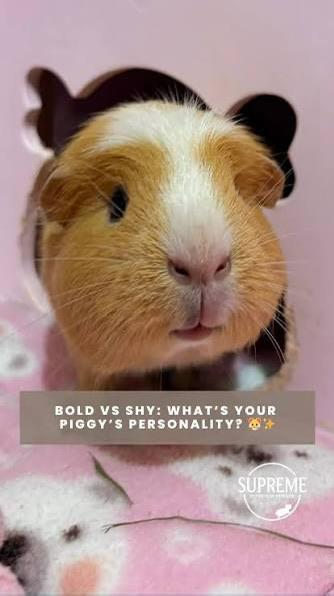
Traits can be physical, physiological, or behavioral. One interesting behavioral trait is the bold shy spectrum found in many animal species. Bold individuals explore new environments quickly and actively search for food, while shy individuals remain hidden longer and avoid risky situations. Both strategies have advantages. Bold animals may find more resources but face greater risk from predators. Shy animals are safer but may miss opportunities to access food. This balance between benefits and risks is known as an ecological trade-off . Understanding traits such as boldness and shyness helps ecologists explain how animals interact with their environment and how different behaviors can influence survival within ecosystems. For example bold fish are often the first to leave shelter and explore new habitats in search of food. We can also take an example of Humans who have boldness to explore forest species but on the same side they are risking their lives or may be in defensive mode they may harm an animal inside forest. This strategy may allow them to find resources faster and gain a competitive advantage. However, increased activity also exposes them to predators, which may increase their risk of being captured. In contrast, shy individuals remain hidden for longer periods and take fewer risks.


I like the comparison to humans (as I have learned trying to explain something biological to my friends, that is always the easiest to understand) and you chose an interesting example, where you can see, what difference a certain behaviour can make. However, I think your title is a bit misleading as I would call these behavioural traits a personality 😀
Thank you for the great feedback. Yes, these are behavioural traits, but I did not consider categories of traits while writing; that’s why I picked a random title.
I love how you started by comparing human personality traits with animal behavior. it makes the concept easy to understand. The explanation of bold vs shy behavioral traits was very interesting especially how both strategies can have advantages and risk in nature. This explained well how traits can affect ecological interaction
Thank yOU>…
I like that you try to connect animal traits to human personality traits, which makes it easier to understand. It clearly shows that not one strategy is strictly better, but instead reflects an ecological trade-off between gaining resources and avoiding risk.