Wednesday
21. January 2026 – kleiner Hörsaal HS 1010 (Keksdose)
Program
On Wednesday, all films will have a special focus on the theme of “Ecologies and Futures.”
Film 1 – Minding Sands
Laura van Erp (Live on Stage)
Netherlands, 2024 (30 min.)
In Sierra Leone, sand is an important material not only for the state, but also for the inhabitants. As an indispensable raw material for urban development, it creates numerous jobs in the sand mines. At the same time, the mining of the beaches conflicts with the state’s efforts to attract tourists with these very beaches. The film accompanies people who work in the mines, provides insights into their everyday lives, and lets them talk about the challenges and opportunities of their work.
Laura van Erp is a Dutch filmmaker and anthropologist who completed her master’s degree in visual anthropology at the University of Amsterdam. Minding Sands was her debut film, shot on the beaches of Sierra Leone, where she also lived and worked. Van Erp is concerned with how closely environmental and social issues are intertwined. With her films, she attempts to make the complex reality of the Anthropocene tangible. With Minding Sands, she won the “Best Student Film Award” at the International Festival of Ethnological Film in Belgrade in 2024.
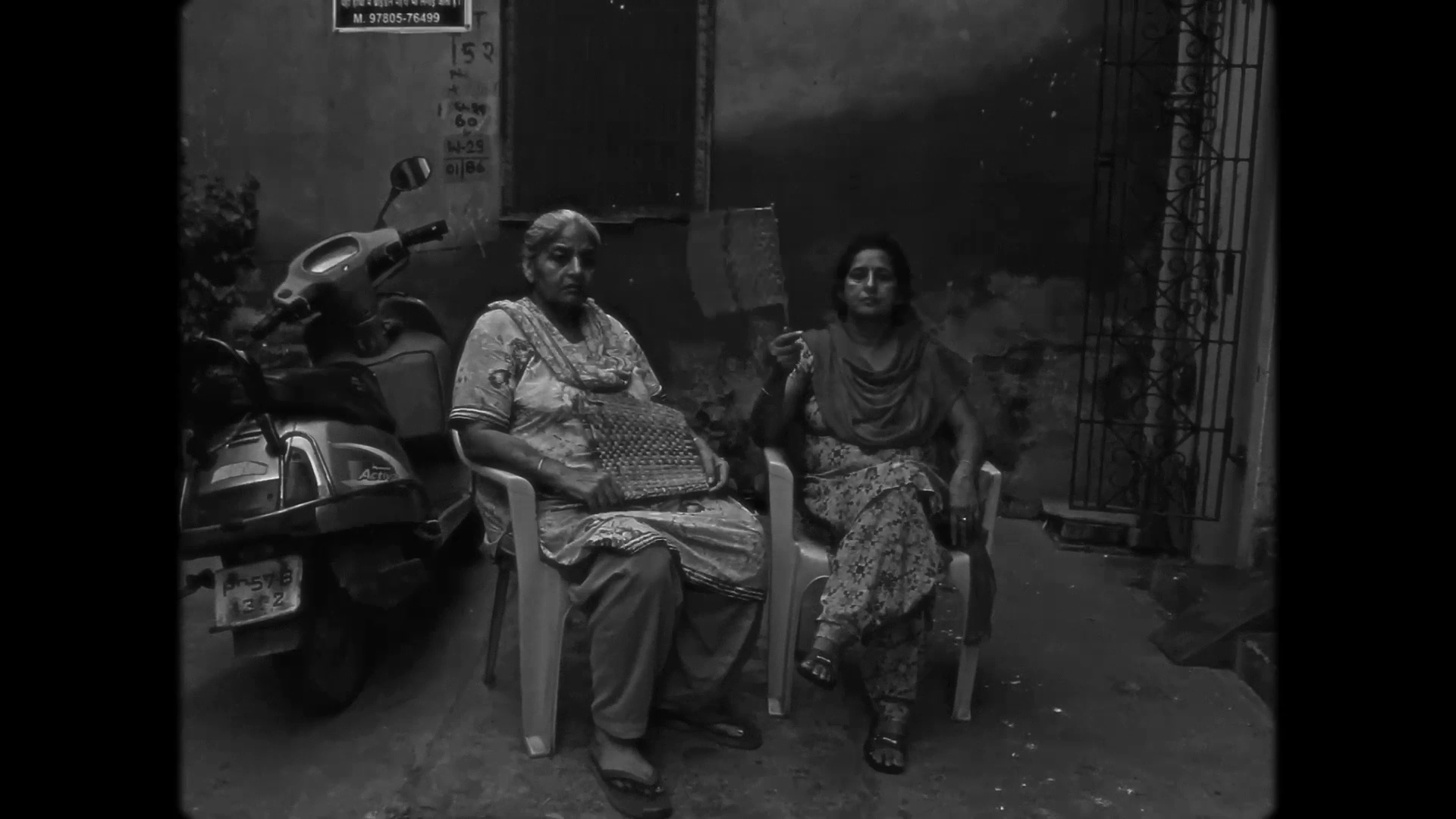
Film 2 – Meeting Point Eliá
Hannah Hertzberg, Nimal Bourloud & Lienke Roos (Live on Stage)
Greece, 2025, (9 min.)
Ancient yet vibrant, rooted in the Agii Anargyri neighborhood north of the city center, stands Athens’ oldest olive tree – deeply anchored in memory, history, and place. The film follows the lines and surfaces of the tree as well as its everyday relationships with non-human inhabitants, neighbors, and passersby.
Hannah Hertzberg a recent graduate of Global Studies, an interdisciplinary degree,
combining law, economics, psychology, political science, and anthropology to deeper understand global problems. She engaged in intercultural projects and social initiatives, with a strong interest in migration and community building. Particularly interested in participatory research methods and visual storytellingshe seeks ways to make academic knowledge more tangible and accessible to wider audiences. Eager to learn more, she hopes to continue exploring creative, collaborative ways to contribute to
projects fostering dialogue, awareness, and social change.
Nimal Bourloud has a Master in Social Anthropology and German language and literature at the University of Bern, Switzerland. He is especially interested in collaborative and audiovisual research, questions around representation, archives, decolonization and mediation. For the past few years, he has been curating and organizing film screenings and other public cultural events in Bern. In 2021, he was co-initiator of the first EthnoKino Film Festival and after that he has become part of the film collective ciné liminal. In 2024, he led the event series Arctic Voices. Indigenous Perspectives on Pasts, Presents and Futures and worked as a mediator in the exhibition “Resistances. On Dealing with Racism in Bern” at the Bern History Museum.
Lienke Roos is a self-taught filmmaker from the Netherlands. After her graduation from Liberal Arts in 2017 she explored documentary filmmaking for the first time and got a taste with the short documentary ‘The Bridge‘. This film portrays a small city in the Netherlands roiled by ethnic tensions. It won the prize of ‘best new filmmaker’ at the LimburgFilmFestival. Yet, she decided to pursue the documentary path only in 2020 to find her voice as a filmmaker. This is where the foundations were laid for ‘How to be Still’. In September 2022 she started a masters in Visual Anthropology in Aarhus (DK) aiming to find tools to deepen my vision and explore filmmaking on another level. In my work she enjoys the intimacy created when being present and delving deep into the essence of people’s lives. To be able to gain more tools for this space she started a masters in Spiritual Care this September.
Film 3 – Angry Spirits
Iris Pakulla (joined via zoom)
Mongolia, 2024 (1h, 34 min.)
The film Angry Spirits follows Ainur, a young dancer from Ulaanbaatar who feels she is being pursued by dark forces. On the advice of shamans, she travels back to the Gobi Desert to make contact with the spirits of nature and the ancestors of her tribe. There she is confronted with the consequences of environmental destruction caused by mining and industrialization. The film mixes documentary scenes with staged dream sequences and shows how Ainur deals with her inner conflicts and seeks healing. At the same time, it becomes clear how closely people’s lives are connected to nature and their traditions.
Iris Pakulla is a writer and environmental anthropologist based in Berlin. With over a
decade of experience as a producer and writer of documentaries in Germany and
Spain, she recently made her feature directorial debut with ANGRY SPIRITS. She
holds a PhD in social anthropology from the University of Cambridge, focusing on
environmental health and extractivism in Mongolia. Her credits include directing I
Swam Alone (2011), writing for Notes on Displacement and Commander Arian, and
co-producing Gods of Molenbeek and The Queen of Silence. Her work has screened
at international festivals, on TV, and in cinemas worldwide.
Film 4 – Against Forgetting
Azad Azizyan (joined via zoom)
Kurdistan/United States, 2024 (22 min.)
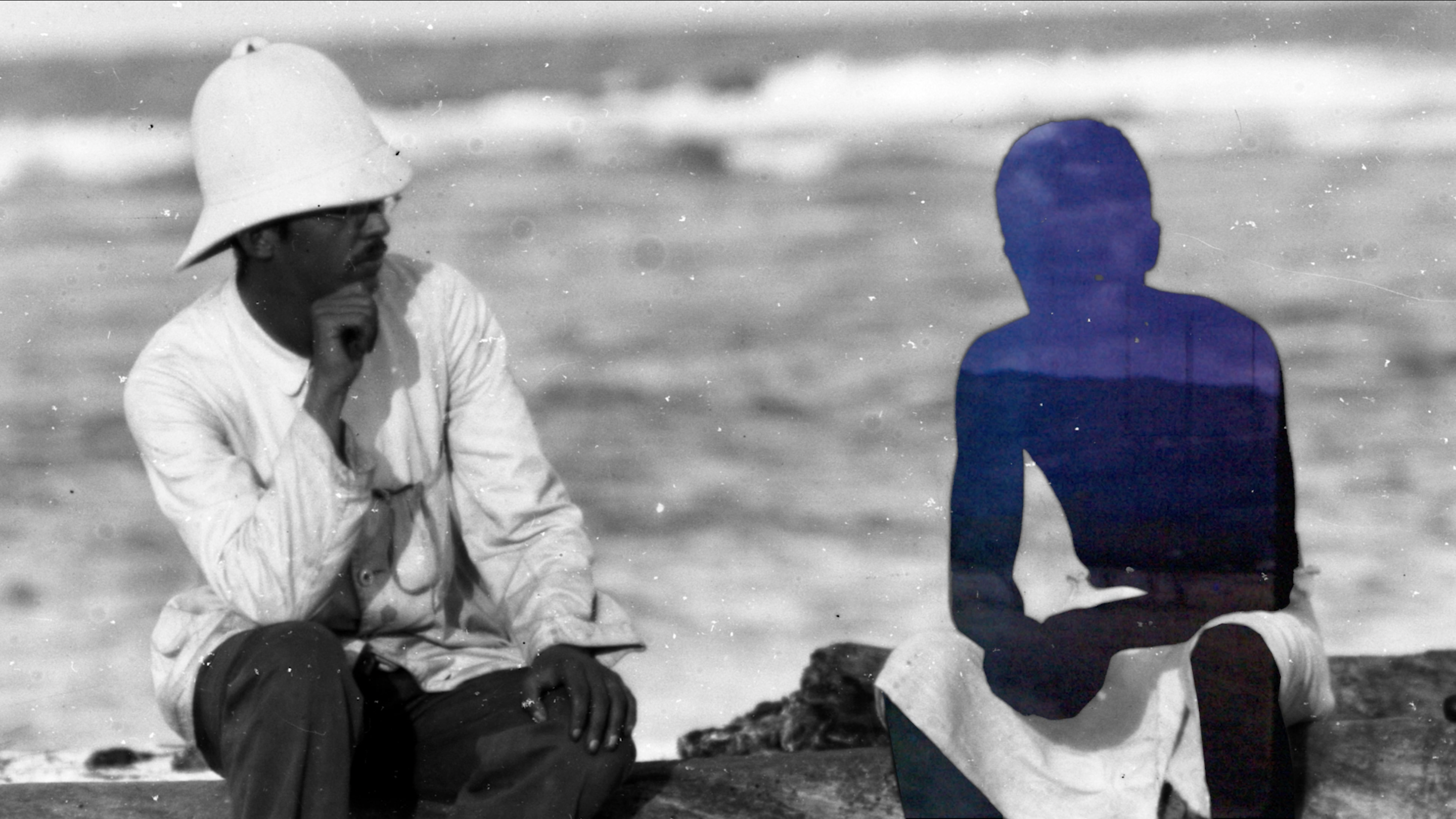
The film tells the story of four participants in Diyarbakır, a city in northern Kurdistan that is in the midst of political upheaval. In September 2016, the Turkish president appointed trustees there to replace the elected mayors of pro-Kurdish communities, thereby disempowering local self-government. Despite this situation, the participants are committed to keeping Kurdish culture alive through land, body, food, and music. In the course of their narratives, it becomes clear how they cope with the adversities of state repression and cultural perseverance in their everyday lives.
Azad Azizyan is a Kurdish-American documentary filmmaker who pushes the boundaries of the documentary genre to represent the experiences and emotions of its participants. His works involve collaborating with artists in all parts of Kurdistan and the diaspora to reflect on Kurdish memory and how it has been passed through oral history from one generation to the next. Additionally, Azad works with Kurdish film festivals worldwide to introduce Kurdish Cinema to non-Kurdish audiences.
Film 5 – Grave Diggers for Hire
Nguyen Anh (Live on Stage)
Vietnam, 2025 (33 min.)
Grave Diggers for Hire follows Binh and Ngoc, two men who earn their living by tending graves and performing the Bốc Mộ ritual—a traditional Vietnamese custom in which human remains are exhumed, cleaned, and reburied. Together with their sons, they treat the deceased with care and humor, maintaining a fading connection between the living and their ancestors. As cremations become more common in Vietnam, this practice is slowly disappearing.
The film offers a quiet, observational perspective on a fragile tradition shaped by faith, biology, and cultural change, contributing to visual anthropology by examining ritual and everyday life with equal precision.
Nguyễn Ánh (b. 1995, near Hanoi) graduated with a degree in graphic design in 2018. After nearly seven years working in the field, she transitioned to documentary filmmaking, joining the Varan Vietnam Workshop at the age of 29. This marked the beginning of her exploration into non-fiction storytelling as a new creative path.